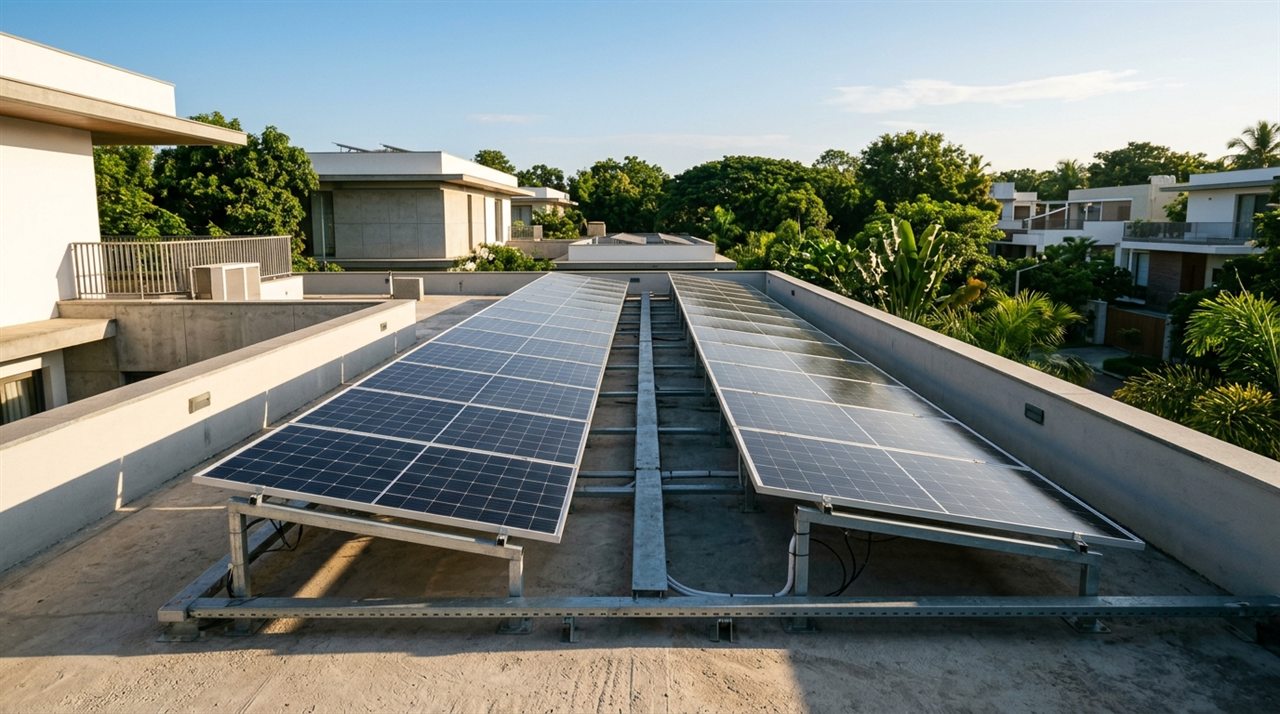
The PM Surya Ghar: Muft Bijli Yojana has transformed residential rooftop solar economics across Eastern India. Designed to empower residential households with zero-electricity-bill living, the scheme offers direct central financial assistance disbursed straight to the homeowner’s bank account.
Central Subsidy Slabs for Residential Rooftops
Under the national guidelines, the subsidy structure is categorized based on sanctioned residential capacity:
- 1 kW System: Direct central subsidy of ₹30,000.
- 2 kW System: Direct central subsidy of ₹60,000.
- 3 kW to 10 kW Systems: Direct central subsidy capped at ₹78,000.
DISCOM Net-Metering Process in Bihar and West Bengal
To benefit from exported power credits, residential systems must be synchronized through your distribution utility:
- Bihar (SBPDCL & NBPDCL): Application submission via the national PM Surya Ghar portal, preliminary feasibility stamp from the local electric supply division, bidirectional meter installation, and formal commissioning certificate.
- West Bengal (WBSEDCL & CESC): Sizing assessment based on sanctioned consumer load, approved Tier-1 DCR solar PV panels, safety earthing checks, and meter exchange.
Why Tier-1 DCR Modules Are Mandatory for Subsidy
To qualify for central government disbursement, all solar PV modules must be Domestic Content Requirement (DCR) certified. At SRISHTI SOLAR ENERGY, we deploy certified DCR solar panels with individual serial numbers and 25-year manufacturer performance guarantees.
Common Questions & Direct Answers
Published by Ritesh Kumar
Reviewed for factual solar and PM Surya Ghar accuracy by SRISHTI SOLAR ENERGY — Patna, Bihar & Dankuni, West Bengal. Last updated November 13, 2026.
Always confirm current DISCOM rules, subsidy eligibility, component availability, and written terms directly prior to installation.